What to Know When Building Your New Two-Storey Home
When you’re building a new two-storey home, think about what sits beneath your upstairs bathroom. If the toilet waste stack runs beside a bedroom or the shower drain passes over your living room, you may hear a flush or draining water downstairs. The time to reduce that noise is during construction, before the plasterboard goes up.
Check what your builder has included
Don’t assume acoustic lagging is included as standard for every upstairs toilet, shower and bathroom waste pipe. Ask your builder to show you what’s covered in your written inclusions. Check the toilet stack, shower and basin wastes, and any bends or pipe runs above living rooms or bedrooms.
Why upstairs bathroom pipes can be noisy
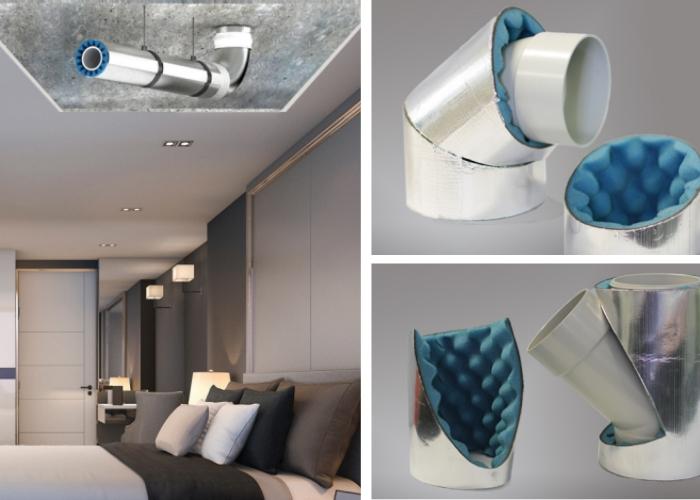
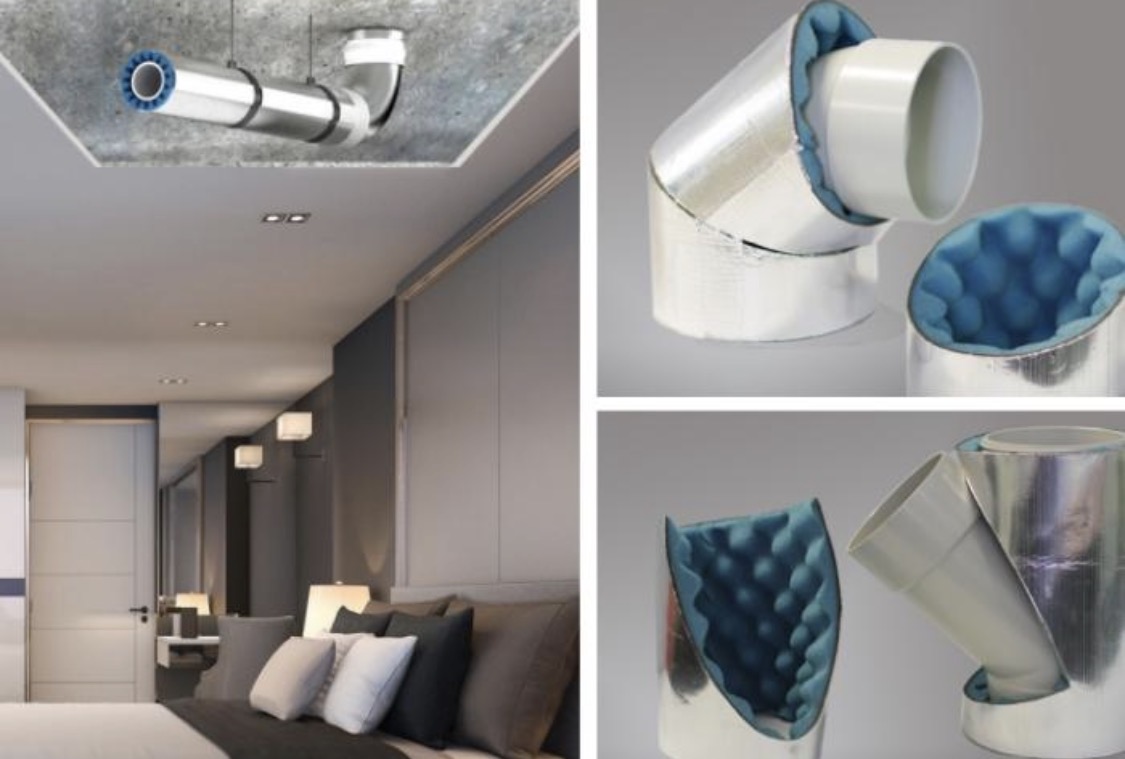
When a toilet flushes, water and waste rush into the drainage pipes. Where the flow hits a bend or changes direction, turbulence can make the pipe radiate noise through the surrounding wall or ceiling. Shower drainage can also be heard in rooms below. Acoustic lagging wraps the outside of the pipe to reduce the sound that escapes. It can make a difference when someone uses the upstairs bathroom while guests are downstairs.
Book the work before plasterboard installation
Schedule acoustic lagging after your plumber has installed the drainage pipes and before the builder lines the walls and ceilings. That’s when Melbourne Laggers can reach the pipe runs, bends and fittings that need treatment. Ask your builder for the plasterboard date early so the work can be booked in time.
Talk to Melbourne Laggers about your plans
Send us your site suburb, floor plans or drainage drawings, and expected plasterboard date. We can help you identify which upstairs pipes to treat and quote supply and installation. You can also read our bathroom pipe soundproofing guide.